
Electrical & Computer Engineering Student | Electrical & Mechanical Fabrication | Electronics | Technical Problem Solving
PCB Assembly | Component-Level Repair | Product Testing | Programming | Production Support
Worked across electronics manufacturing, assembly, programming, testing, troubleshooting, and repair within a small electronics production environment. Responsibilities included PCB soldering and rework, wire and harness fabrication, product programming and configuration, component-level fault diagnosis, functional testing, and development of practical tools and procedures to support production.
Working closely with the company’s electrical engineer, I used schematics, PCB documentation, bills of materials, component datasheets, and electronic test equipment to diagnose failures, repair assemblies, verify product operation, and support continuous improvement of manufacturing and testing processes.
I worked in a small electronics manufacturing environment supporting multiple stages of product production, from PCB assembly and wire preparation through programming, testing, troubleshooting, repair, and final production support.
The position initially centered on hands-on production responsibilities including soldering electronic components, wire and harness work, potting, parts support, and preparation of products for shipment. As I gained experience with the company’s products and manufacturing processes, my responsibilities expanded into component-level troubleshooting and repair, product programming and configuration, functional testing, technical documentation, and development of practical production and test solutions.
Working closely with the company’s electrical engineer provided experience interpreting electrical schematics, PCB documentation, bills of materials, and component datasheets while using multimeters, bench power supplies, oscilloscopes, function generators, and other electronic test equipment to investigate product behavior and verify proper operation.
Because the company operated with a small team, the role required working across multiple areas of electronics production rather than specializing in a single manufacturing step. This provided broad hands-on experience with the complete path from electronic assembly through testing, troubleshooting, repair, and finished-product support.
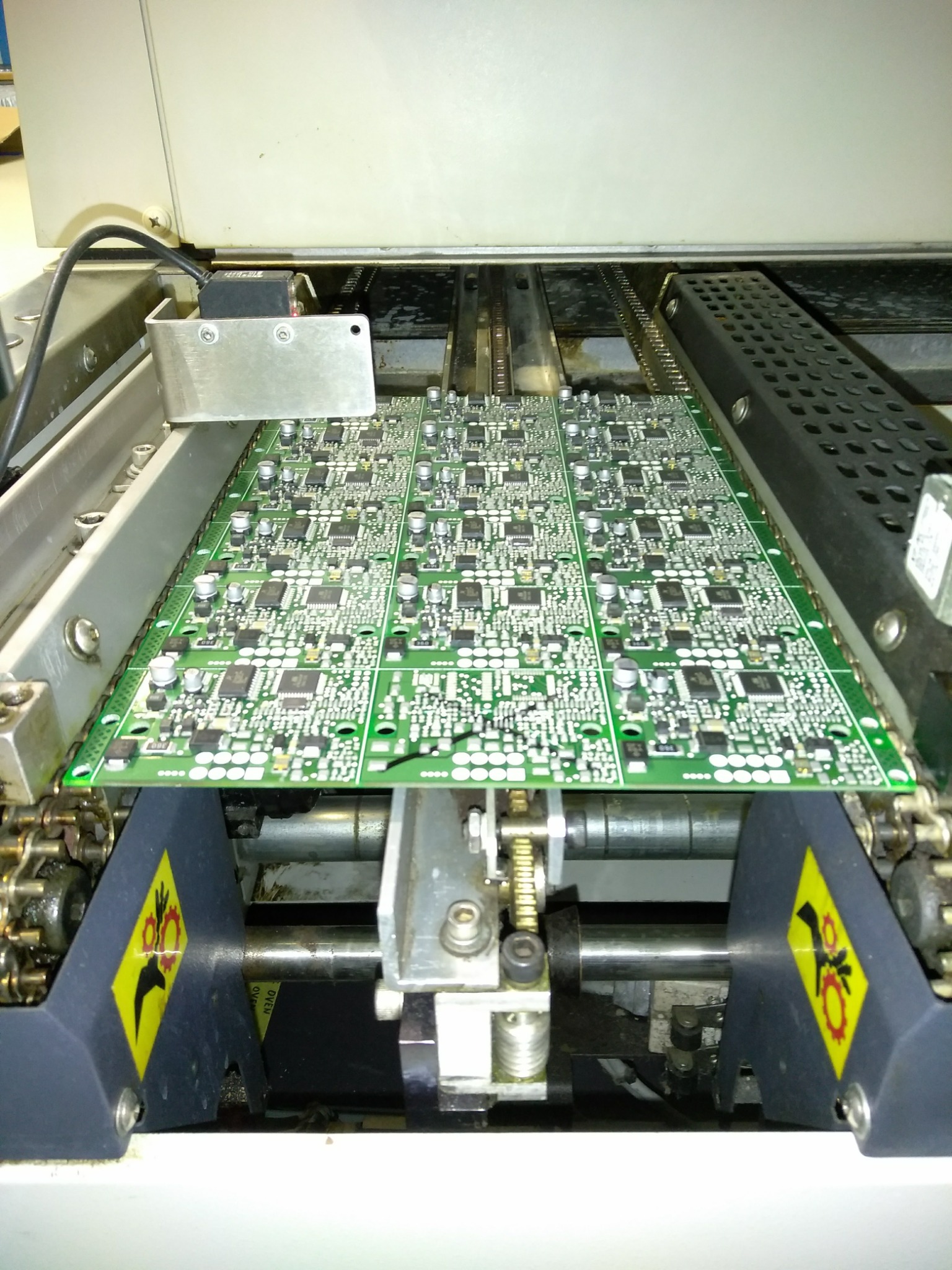
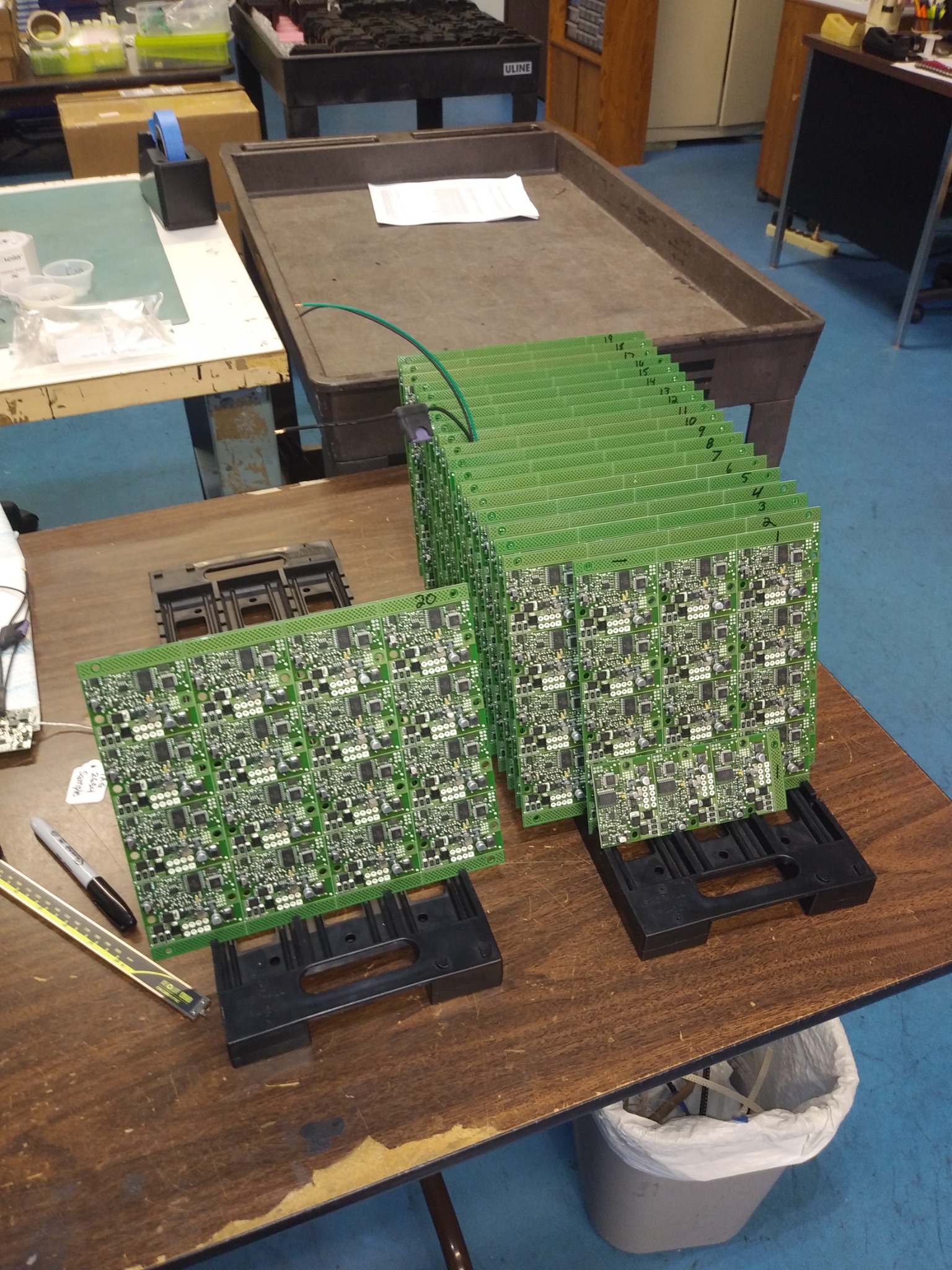
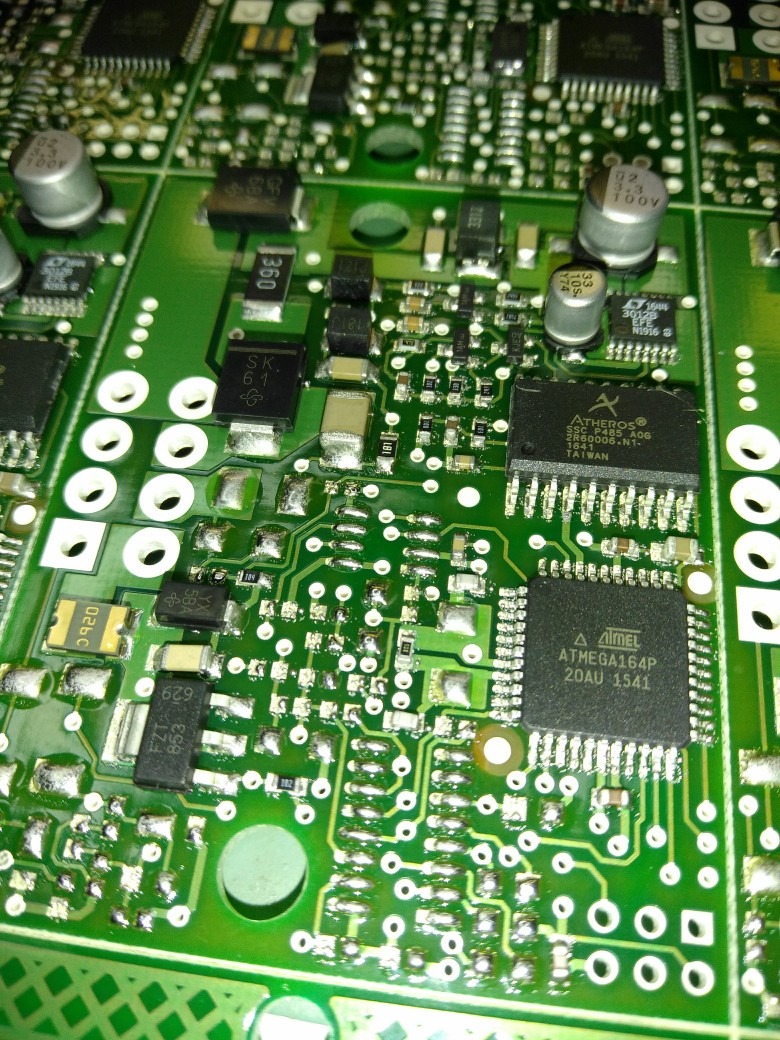
A significant portion of my work involved hands-on production of electronic assemblies. This included placing and soldering components onto printed circuit boards, performing rework when necessary, preparing wiring and electrical connections, and supporting assemblies through later stages of production.
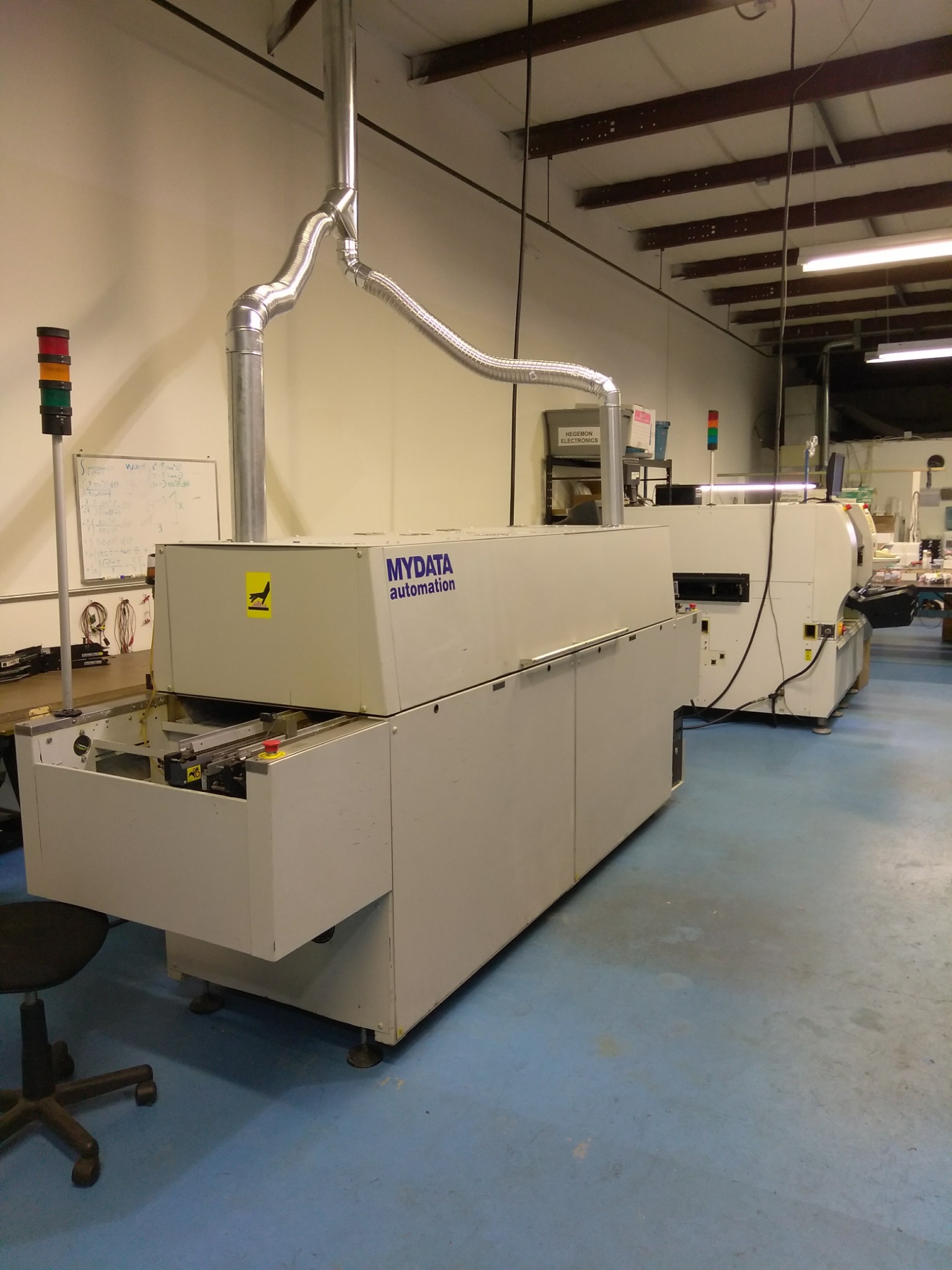
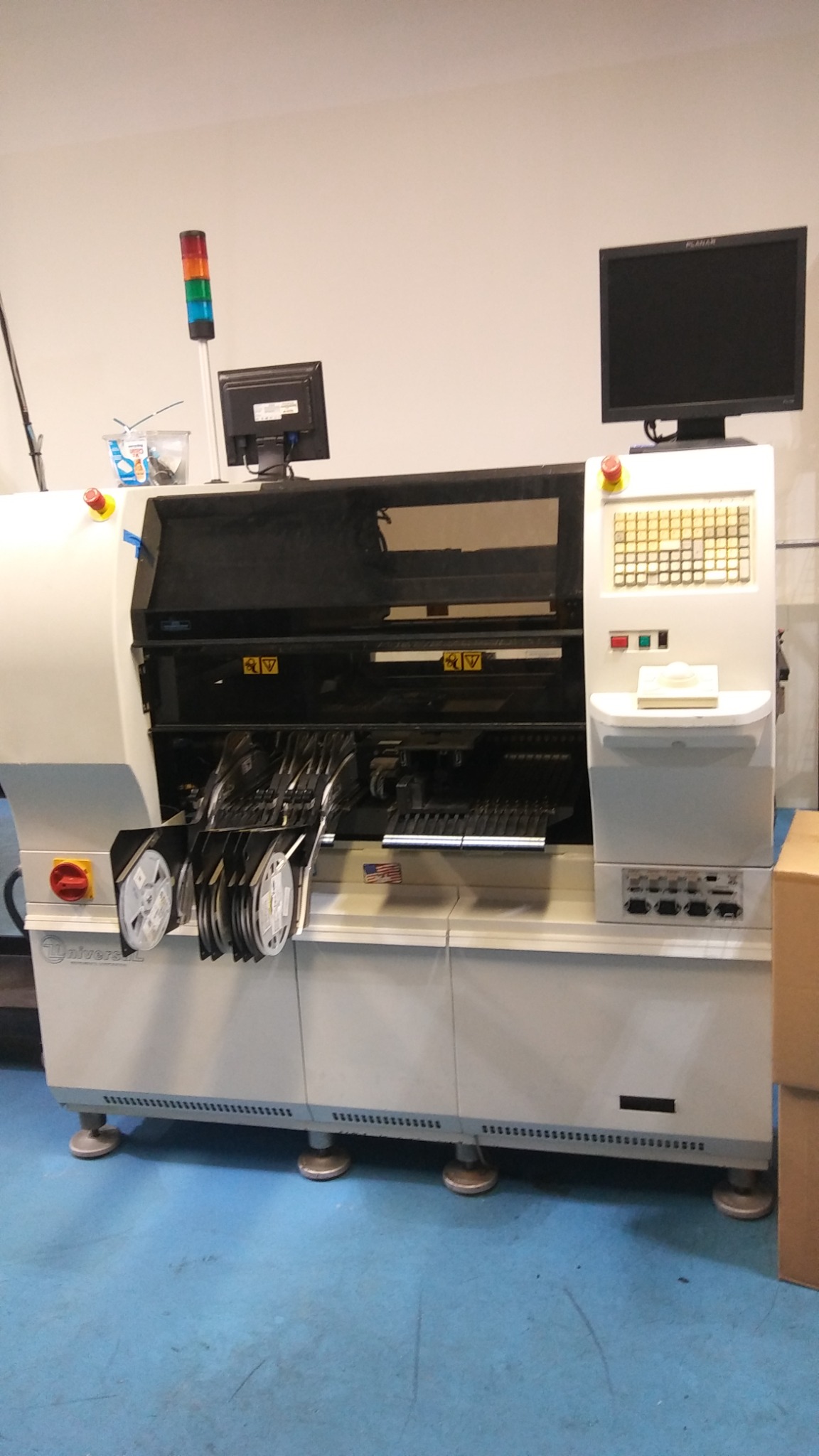
PCB work required attention to component orientation, placement, solder quality, polarity, and overall workmanship. Depending on the product and production requirements, assemblies involved a combination of manual component installation and automated manufacturing processes, followed by inspection and additional assembly work.
My responsibilities extended beyond individual circuit boards to the supporting production process. I prepared materials for manufacturing, worked from bills of materials and product documentation, assisted with parts management, and supported products as they progressed from individual components and bare PCBs into completed electronic assemblies.
Working across these stages provided practical experience with how PCB design documentation, components, manufacturing equipment, soldering processes, wiring, and workmanship requirements come together to produce a functional electronic product.

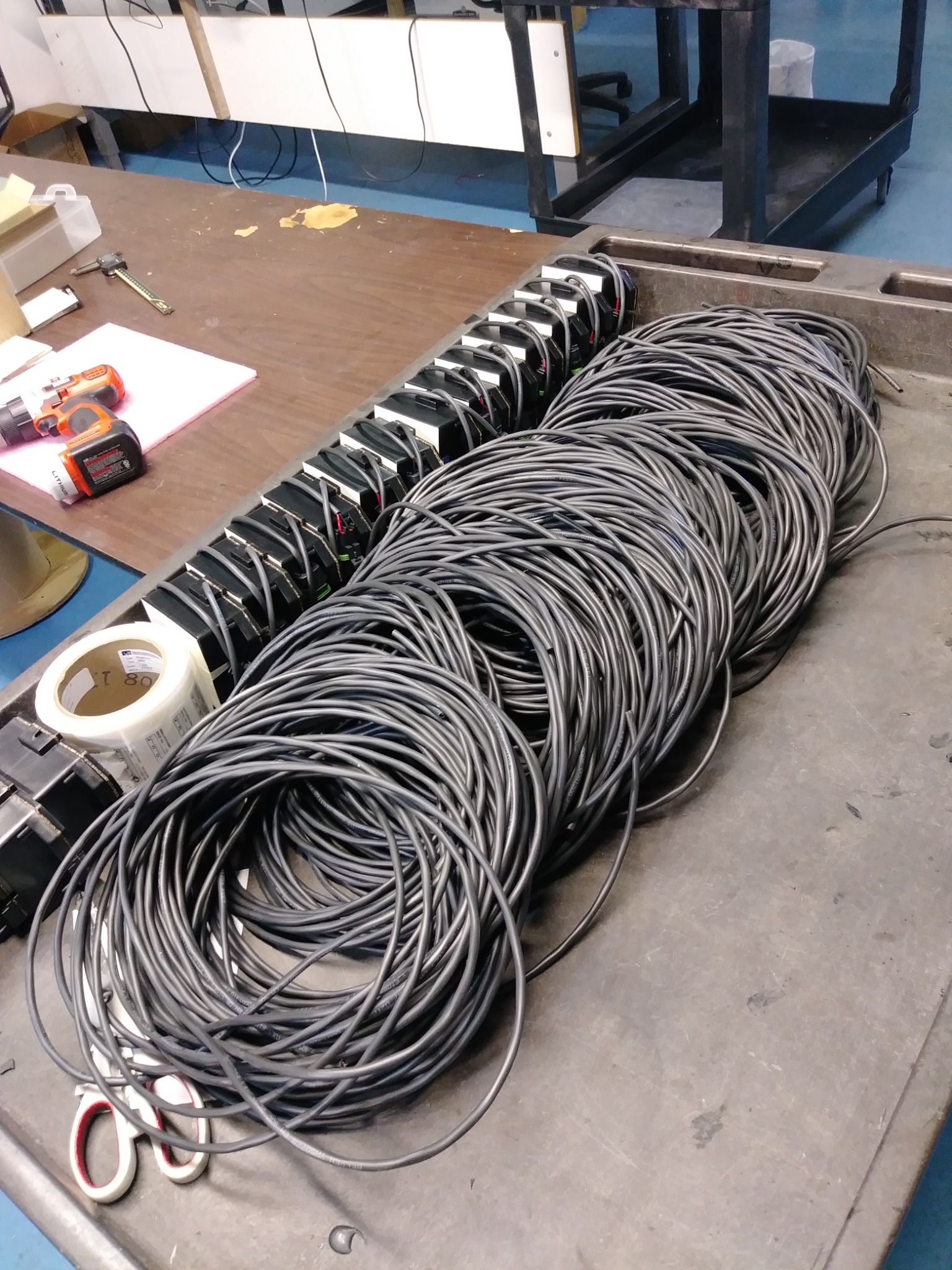
Wire and harness fabrication was another important part of my electronics manufacturing work. I was specifically tasked with developing stronger capability in wire-related production to help support and expand the company’s harness work.
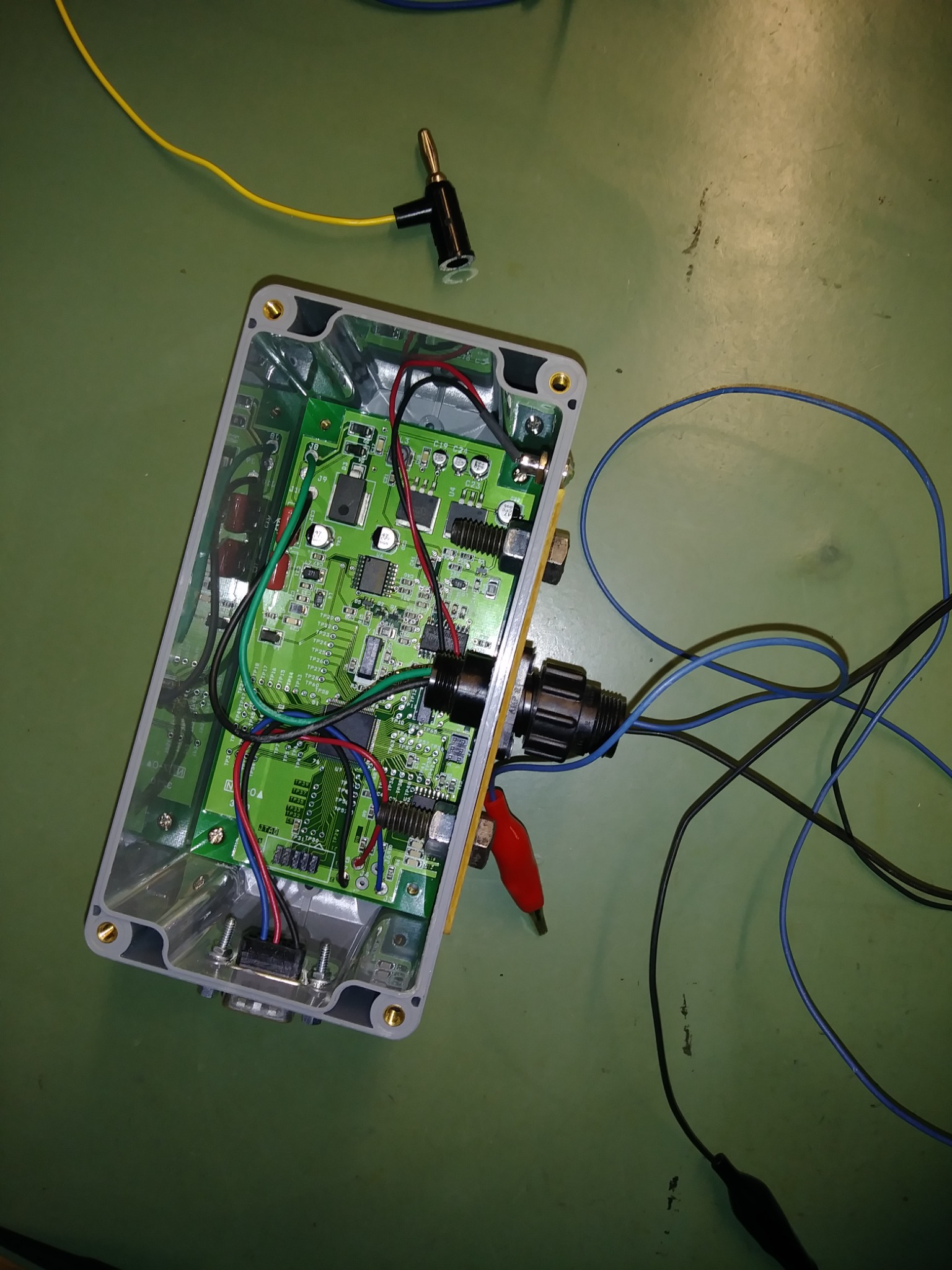
My responsibilities included preparing and assembling wiring used within electronic products and supporting the integration of those connections with PCBs, connectors, and other components. This required careful attention to routing, termination, connection integrity, and workmanship to produce reliable electrical assemblies.
The work complemented my PCB experience by extending the manufacturing process beyond the circuit board itself. Instead of viewing the PCB, wiring, connectors, and enclosure as separate pieces, I gained experience working with them as parts of a complete electronic assembly.
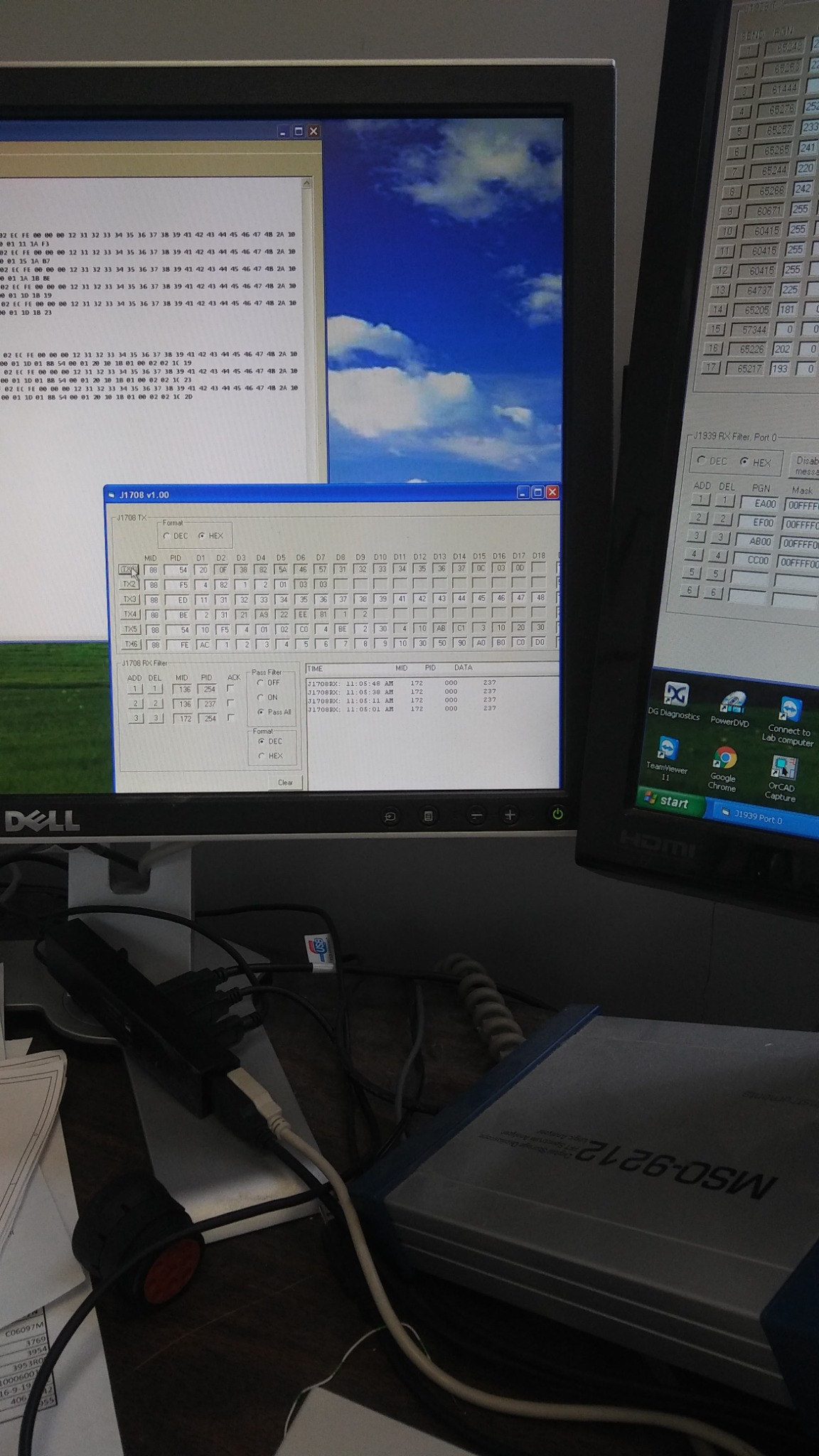
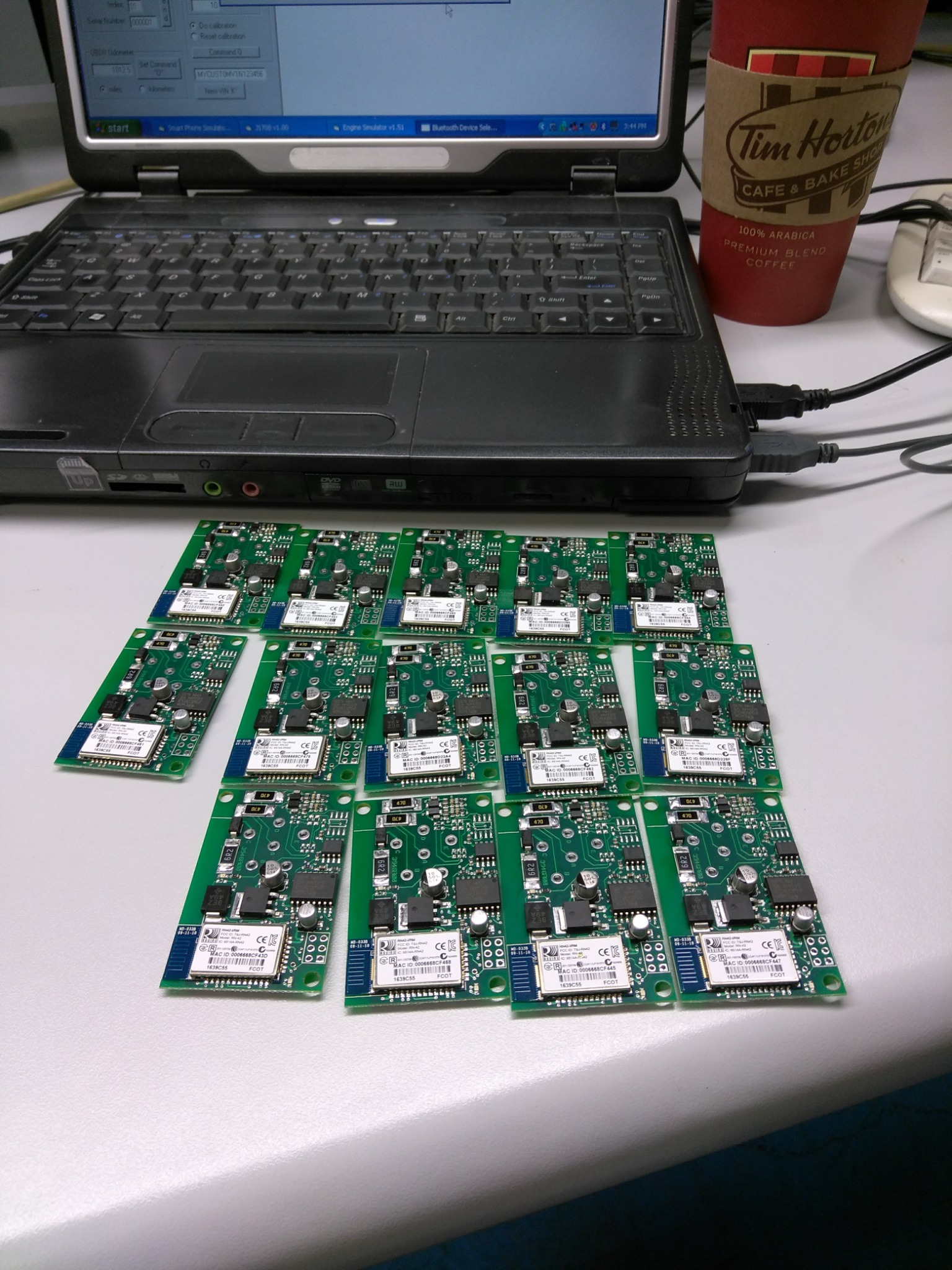
In addition to hardware assembly, I programmed and configured electronic products as part of the production process. This included flashing product firmware, assigning serial numbers, communicating with devices through serial interfaces, and executing commands using terminal software such as TeraTerm.
Programming was followed by functional verification to confirm that the device communicated correctly and operated as expected. When a product failed to program or respond properly, the issue could require determining whether the cause originated with the programming interface, electrical connections, PCB assembly, configuration, or the product itself.
Working with both the hardware and software-facing portions of the process provided experience with the relationship between a physical electronic assembly and the embedded software required for it to function as a completed product.
Functional testing was an important part of the production process and was used to verify that completed electronic assemblies operated as intended before moving forward.
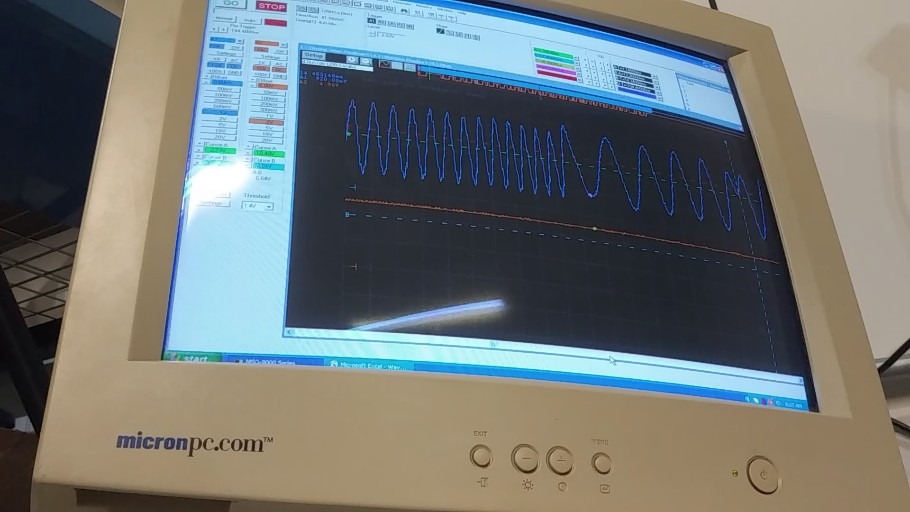
I performed defined product tests using multimeters, bench power supplies, oscilloscopes, function generators, and other electronic test equipment. Testing included taking electrical measurements, applying or observing signals, collecting signal-response data, and comparing product behavior with the expected operating condition.
These tests also provided an important connection between production and troubleshooting. When an assembly did not produce the expected result, test data helped identify where further investigation was needed rather than relying solely on visual inspection or replacing components without understanding the failure.
After programming, repair, or other corrective work, I performed functional verification to confirm that the product was operating properly before it returned to the production flow.
When electronic assemblies failed testing or did not operate as expected, I diagnosed problems at the component and circuit-board level rather than treating the entire assembly as a failed unit.
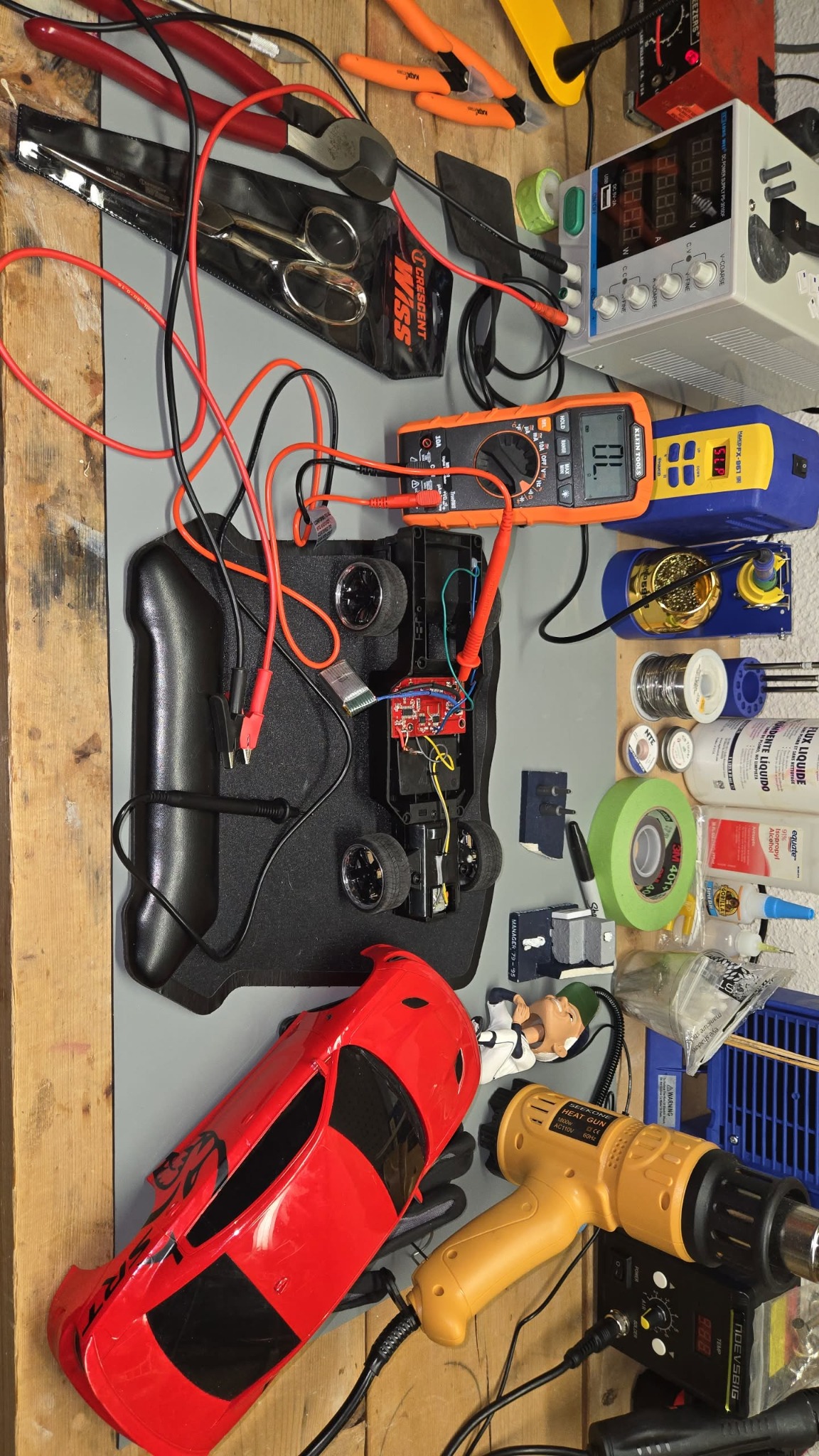
Troubleshooting involved using electrical schematics, PCB documentation, bills of materials, component datasheets, and test equipment to understand the circuit and isolate the source of a failure. Depending on the problem, I used multimeters, bench power supplies, and other electronic test equipment to check electrical conditions and narrow the fault to a component, connection, or area of the circuit.
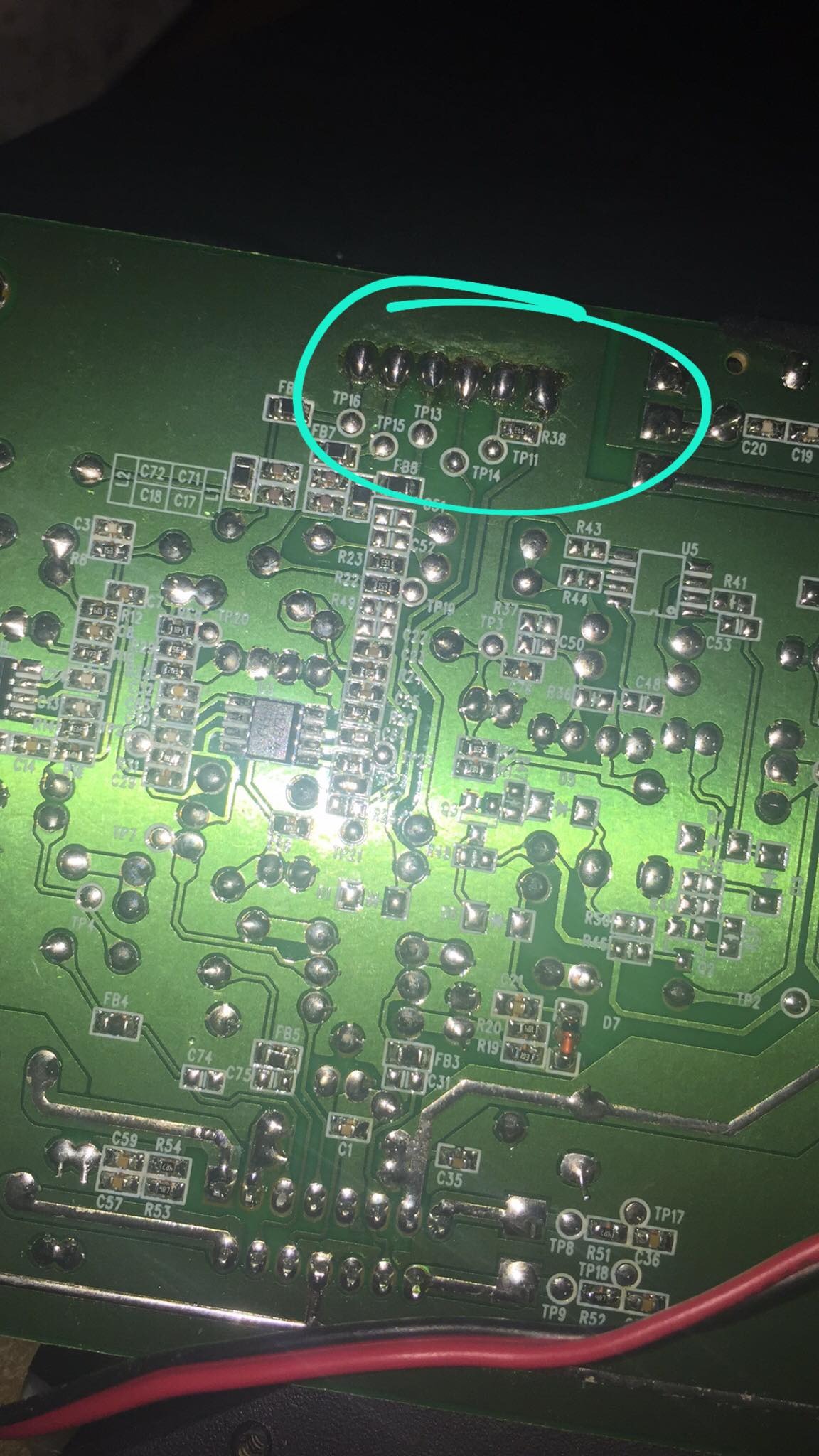
Once the problem was identified, I performed the necessary PCB rework or component replacement and then retested the assembly to verify that the repair corrected the original failure. This required careful soldering and rework techniques to repair the product without introducing additional damage to the PCB or surrounding components.
This diagnose–repair–verify process strengthened my ability to approach electronic failures systematically: understand the expected operation, gather measurements, isolate the fault, make the appropriate repair, and confirm proper operation afterward.
Electronics Manufacturing
PCB Assembly • Component Soldering • PCB Rework • Wire & Harness Fabrication • Potting • Electronic Assembly • Production Support
Testing & Troubleshooting
Component-Level Troubleshooting • Electrical Schematics • Multimeter Testing • Bench Power Supplies • Oscilloscope Testing • Function Generator Testing • Functional Verification
Programming & Configuration
Firmware Programming • Serial Communication • TeraTerm • Product Configuration • Serial Number Assignment • Post-Programming Testing
Technical Problem Solving
Fault Isolation • Component Replacement • Datasheet Interpretation • PCB Documentation • Bills of Materials • Repair Verification • Systematic Troubleshooting
Process Improvement & Documentation
Test Procedures • Programming Fixtures • Custom Test Cables • Process Development • Technical Documentation • Parts & Production Support • Continuous Improvement
This project brief documents my hands-on experience working across electronics manufacturing, assembly, programming, testing, troubleshooting, and repair within a small electronics production environment.
My responsibilities included PCB assembly and rework, wire and harness fabrication, product programming and configuration, functional testing, component-level troubleshooting, electronic repair, and production support. Working closely with the company’s electrical engineer, I used schematics, PCB documentation, bills of materials, component datasheets, and electronic test equipment to diagnose failures, verify repairs, and support finished-product testing.
The work also included developing test procedures, custom test cables, programming interfaces, and practical process improvements to support manufacturing. Together, these responsibilities provided broad experience across the electronics production cycle—from assembling hardware through programming, troubleshooting, repair, and final functional verification.
View/Download PDF