
PCB Programming Fixture & Process Improvement
Manufacturing Process Improvement | Electronics & PCB Production
Designed and built a reusable PCB programming fixture that eliminated the need to solder a dedicated programming connector onto every production board, reducing repetitive soldering, unnecessary board-level hardware, and programming setup time.
Project Overview
While working in electronics manufacturing, I identified an opportunity to improve the process used to program software onto production circuit boards. The existing process required a 6-pin programming connector to be soldered onto each PCB so a ribbon cable could be attached during programming. Once the software was installed, the connector was no longer required but remained permanently installed on the finished board.
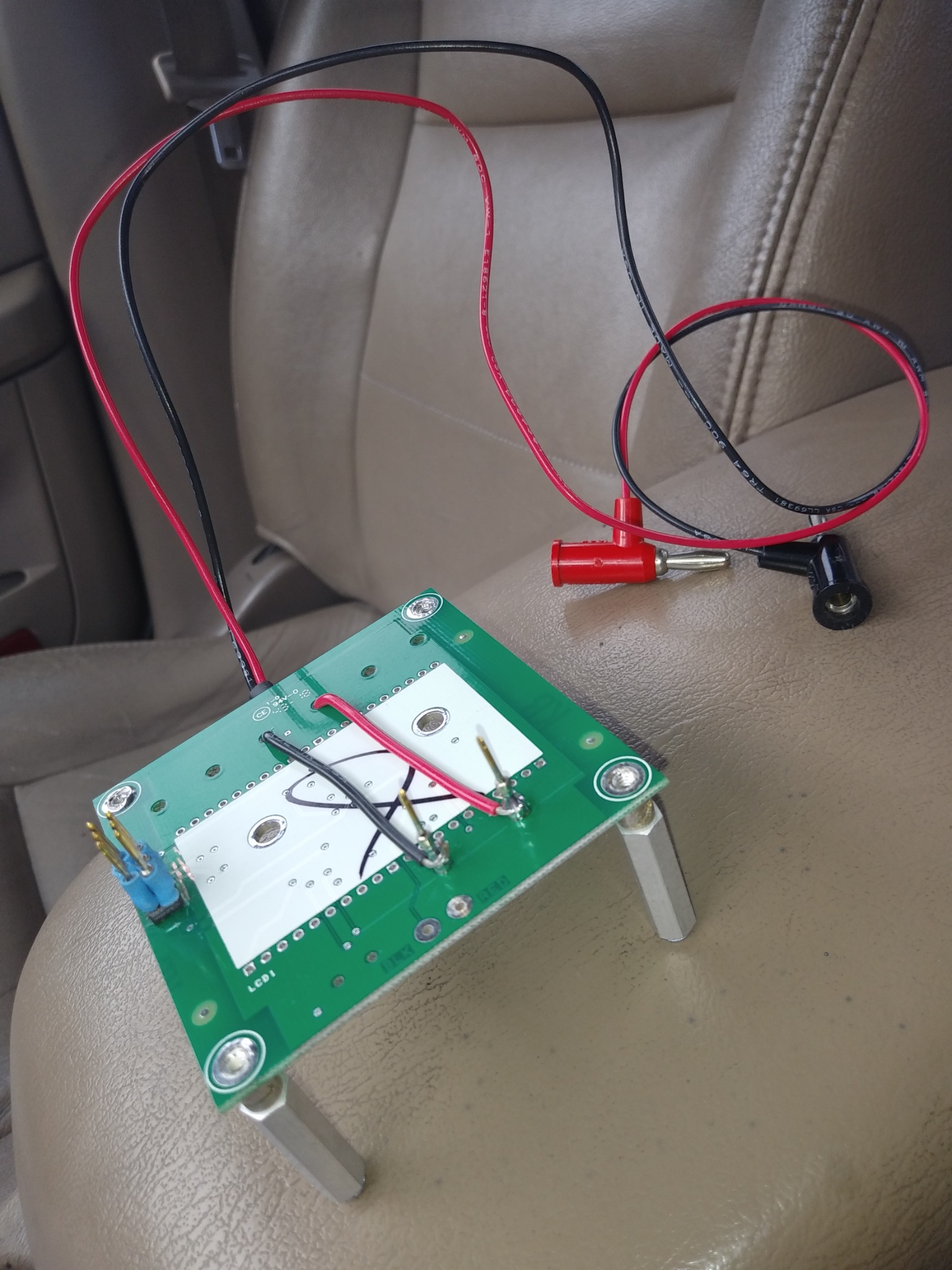
I designed and built a reusable programming fixture that transferred this interface from each individual production board to a single manufacturing tool. Using a blank PCB as the fixture base provided the correct physical layout and alignment, while spring-loaded contacts established temporary connections with the production board's programming points as well as power and ground.
A permanent 6-pin connector was installed on the underside of the fixture using the corresponding through-hole locations, allowing the programmer's ribbon cable to remain connected to the fixture. To program a board, the operator could align it with the fixture, press it down to establish contact, initiate programming, and then remove the completed board.
Existing Programming Process
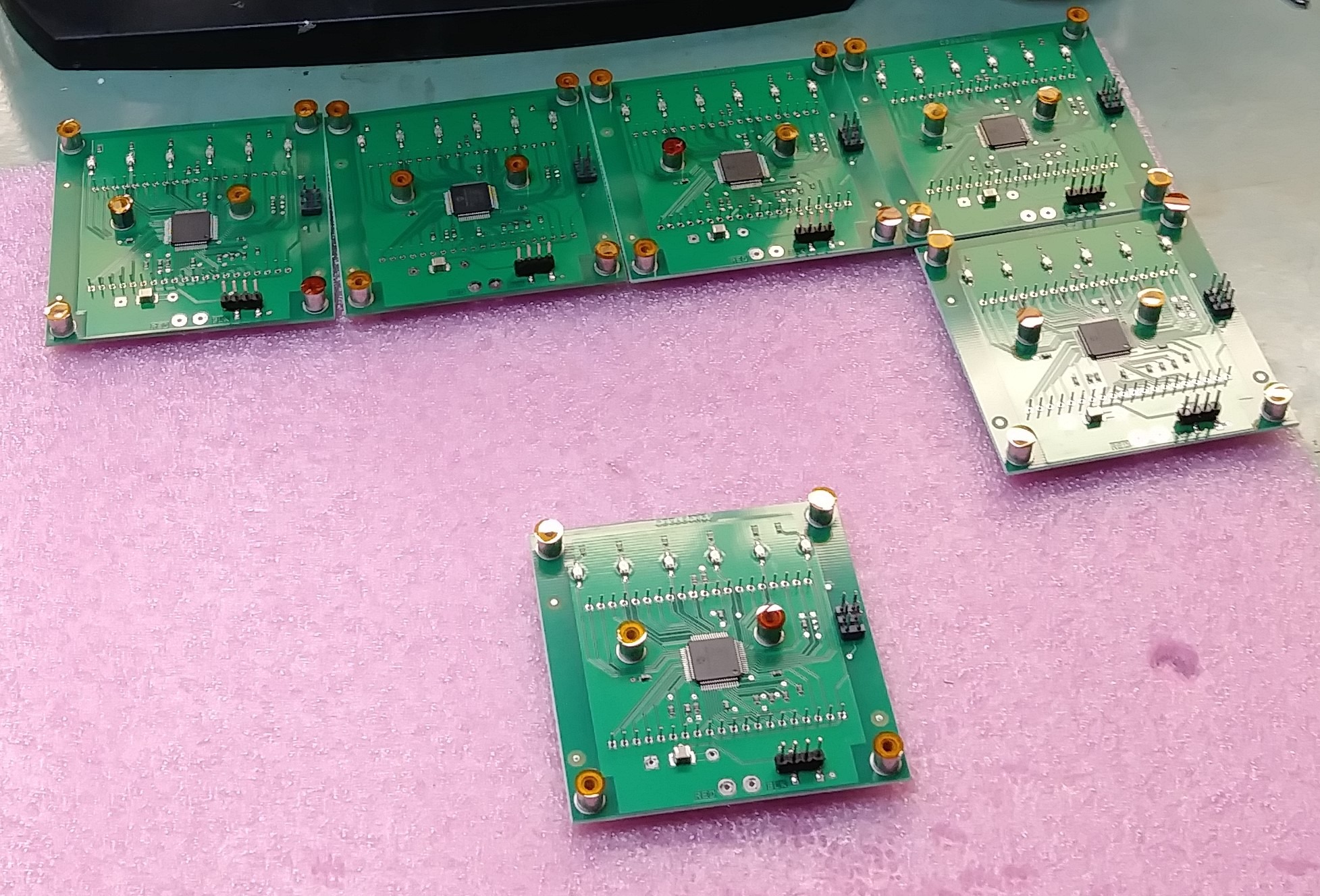
Before the fixture was developed, each production PCB required a dedicated 6-pin connector to be soldered onto the board before software could be installed. The programming ribbon cable was connected to this header, power was supplied to the board, and the software was loaded as part of the production process.
Although necessary for programming, the 6-pin connector served no function after the software was installed. It remained on every completed PCB, meaning each unit required additional hardware, soldering, and handling solely to support a one-time manufacturing operation.
Solder Programming Connector → Connect Programmer & Power → Program PCB → Connector Remains on Finished Board
Fixture Design & Construction
I built the fixture around a blank version of the production PCB, using the board's existing geometry and through-hole locations to establish consistent alignment. This provided a straightforward way to position each production board without designing a separate locating system from scratch.
Spring-loaded contacts were positioned over the six programming connection points, with two additional contacts providing power and ground. When a production board was placed onto the fixture and pressed down, the contacts temporarily established the electrical connections required for programming without permanently installing the 6-pin programming connector on the production board.
On the underside of the fixture, I soldered a standard 6-pin connector into the corresponding through-holes. The programmer's ribbon cable connected to this header, allowing the programming interface to remain part of the reusable fixture rather than being installed on every production board.
Improved Programming Process
With the fixture in place, programming no longer required a dedicated 6-pin connector to be soldered onto every production PCB. Instead, the board could be positioned on the fixture and pressed against the spring-loaded contacts to establish the programming, power, and ground connections temporarily.
The programming ribbon cable remained connected to the fixture, allowing boards to be programmed sequentially using the same reusable interface. Once programming was complete, the board could simply be removed and the process repeated with the next unit.
This shifted the programming interface from a component installed on every manufactured board to a reusable production tool.
Place PCB on Fixture → Align & Press → Program PCB → Remove Completed Board
Results & Impact
The completed fixture simplified the programming process by eliminating the need to install a dedicated 6-pin programming connector on every production PCB. Because the connector was only required during software installation, moving that interface to a reusable fixture eliminated unnecessary hardware from each finished board.
The revised process also removed the repetitive soldering operation associated with installing the programming connector and reduced the setup and handling required between boards. The same fixture could be used repeatedly to program production units through a consistent temporary interface.
Although formal cycle-time and cost-savings data were not recorded, the improvement reduced both material use and repetitive production labor while simplifying the overall programming workflow.
Eliminated Dedicated Programming Connector | Reduced Repetitive Soldering | Reusable Programming Interface | Simplified Board Programming
Skills Demonstrated
Electronics & Fabrication
PCB Assembly • Soldering • Through-Hole Components • Spring-Contact Interfaces • Wiring • Electronics Manufacturing
Design & Problem Solving
Fixture Design • Prototyping • Electrical Interfacing • Troubleshooting • Practical Problem Solving
Manufacturing & Process Improvement
Process Analysis • Workflow Improvement • Reduction of Repetitive Operations • Material Reduction • Production Support • Design for Manufacturing
Project Brief
This project documents the design and construction of a reusable PCB programming fixture developed to improve an existing electronics manufacturing process. Previously, each production PCB required a dedicated 6-pin connector to be soldered onto the board solely for software programming, where it remained after programming despite serving no further purpose.
The fixture transferred that temporary programming interface into a reusable production tool. Using a blank PCB for alignment, spring-loaded contacts established the six programming connections along with power and ground, while a permanent 6-pin connector on the fixture provided the interface to the programmer.
The resulting process eliminated unnecessary programming hardware from each production PCB, removed a repetitive soldering operation, reduced setup and handling, and provided a reusable interface for sequential board programming. Formal cycle-time and cost-savings data were not recorded, so the project focuses on the documented process and material improvements rather than estimated savings.