
Electrical & Computer Engineering Student | Electrical & Mechanical Fabrication | Electronics | Technical Problem Solving
System Integration | Thermal Management | Hardware Optimization | Small Form Factor Design
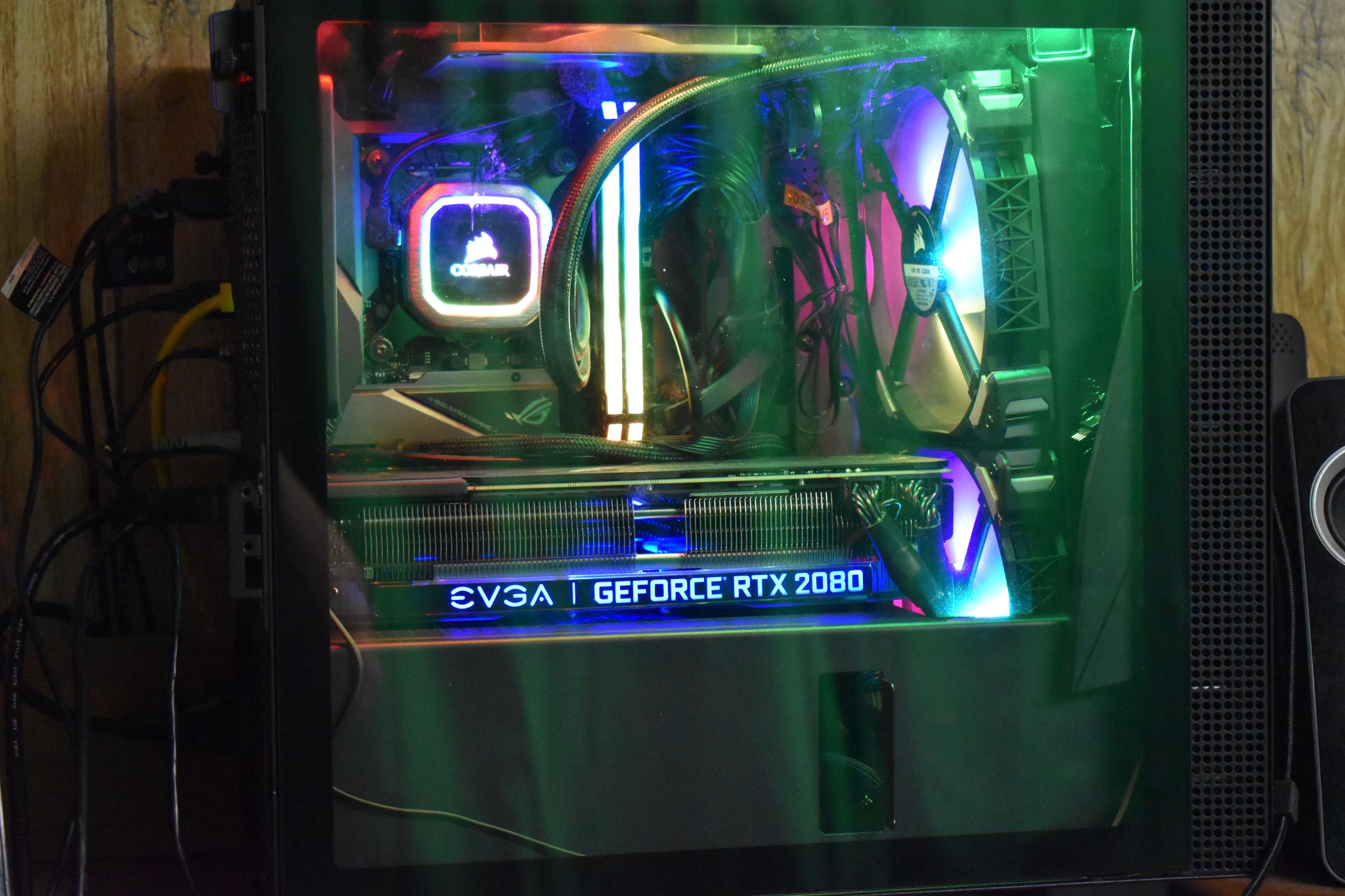
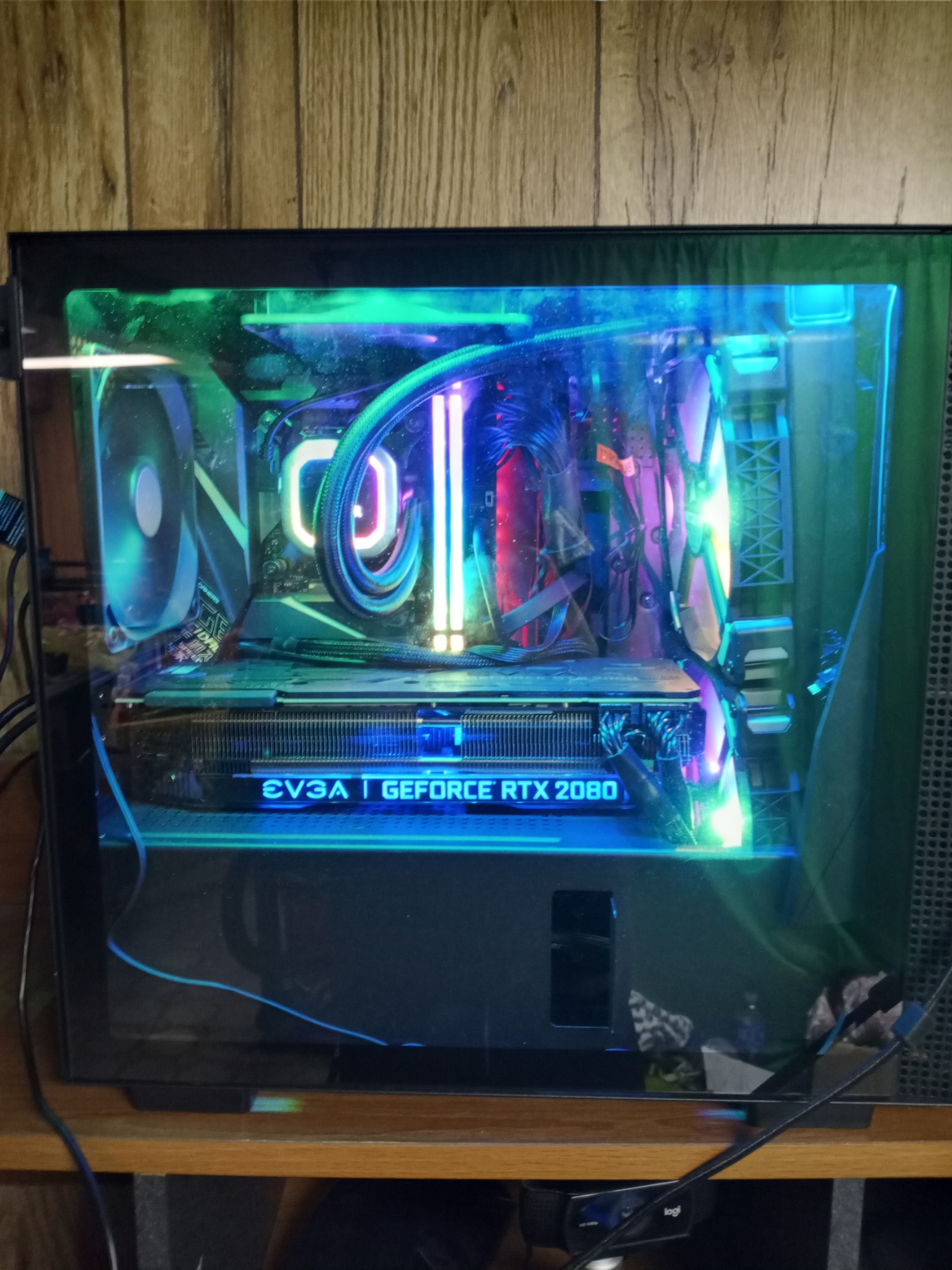
Designed and assembled a high-performance Mini-ITX desktop system within the packaging and thermal constraints of a compact chassis. Built around an Intel Core i9-9900K and EVGA GeForce RTX 2080 Super, the system combines high-performance hardware, liquid CPU cooling, and tight component clearances in a small-form-factor enclosure.
Originally assembled in 2020, the system has remained in regular use for approximately six years without hardware upgrades. The original component configuration remains in service, including long-term operation with the i9-9900K configured at 4.8 GHz.
Mini-ITX Form Factor | i9-9900K @ 4.8 GHz | RTX 2080 Super | 32 GB DDR4 | 6 Years in Service
This project began in 2020 with the goal of building a compact desktop computer capable of delivering high-end performance without using a conventional full-size chassis. I selected the NZXT H210i Mini-ITX platform and built the system around an Intel Core i9-9900K and EVGA GeForce RTX 2080 Super, with component selection driven by performance, compatibility, cooling requirements, power delivery, and the physical limitations of the enclosure.
The small-form-factor design required fitting high-performance desktop hardware into a tightly constrained internal space. The system incorporates liquid CPU cooling, a full-size modular power supply, a large dual-slot-plus graphics card, 32 GB of memory, NVMe storage, and multiple cooling fans, making component dimensions, airflow, cable routing, and clearance important considerations throughout the build.
Since its completion, the system has remained in regular use for gaming, VR, heavily modded games, schoolwork, research, and general computing. The original hardware configuration has remained unchanged for approximately six years, while the i9-9900K has operated with a 4.8 GHz overclock for long-term everyday use. The continued service of the original configuration provides a practical example of system integration, performance optimization, thermal management, and hardware longevity within a compact platform.
The system was built using enthusiast-class desktop components selected to balance performance, compatibility, cooling, and physical fit within the Mini-ITX enclosure. The core hardware listed below is the original configuration installed in 2020 and remains in service today.
| Component | Specification |
|---|---|
| Case | NZXT H210i Mini-ITX |
| CPU | Intel Core i9-9900K — 8 Cores / 16 Threads |
| CPU Configuration | 4.8 GHz Overclock |
| Motherboard | ASUS ROG Strix Z390-I Gaming |
| GPU | EVGA GeForce RTX 2080 SUPER XC ULTRA — 8 GB GDDR6 |
| Memory | Corsair Vengeance RGB Pro — 32 GB (2×16 GB) DDR4-3200 |
| CPU Cooling | Corsair H115i RGB Platinum AIO |
| Thermal Compound | ARCTIC MX-4 |
| Primary Storage | Samsung 970 EVO 1 TB NVMe SSD |
| Power Supply | Corsair RM750 — 750 W, 80 Plus Gold, Fully Modular |
| Form Factor | Mini-ITX |
| Original Build | 2020 |
| Hardware Upgrades | None |
The primary design goal was to achieve high-end desktop performance in a significantly smaller enclosure without sacrificing the capabilities of full-size enthusiast hardware. Choosing the Mini-ITX form factor introduced tighter limitations on component dimensions, cooling configuration, airflow, cable routing, and future expandability.
Component compatibility therefore involved more than matching electrical interfaces. The graphics card, liquid-cooling system, power supply, motherboard, memory, and associated wiring all had to physically coexist within the available internal volume while maintaining sufficient airflow and serviceability.
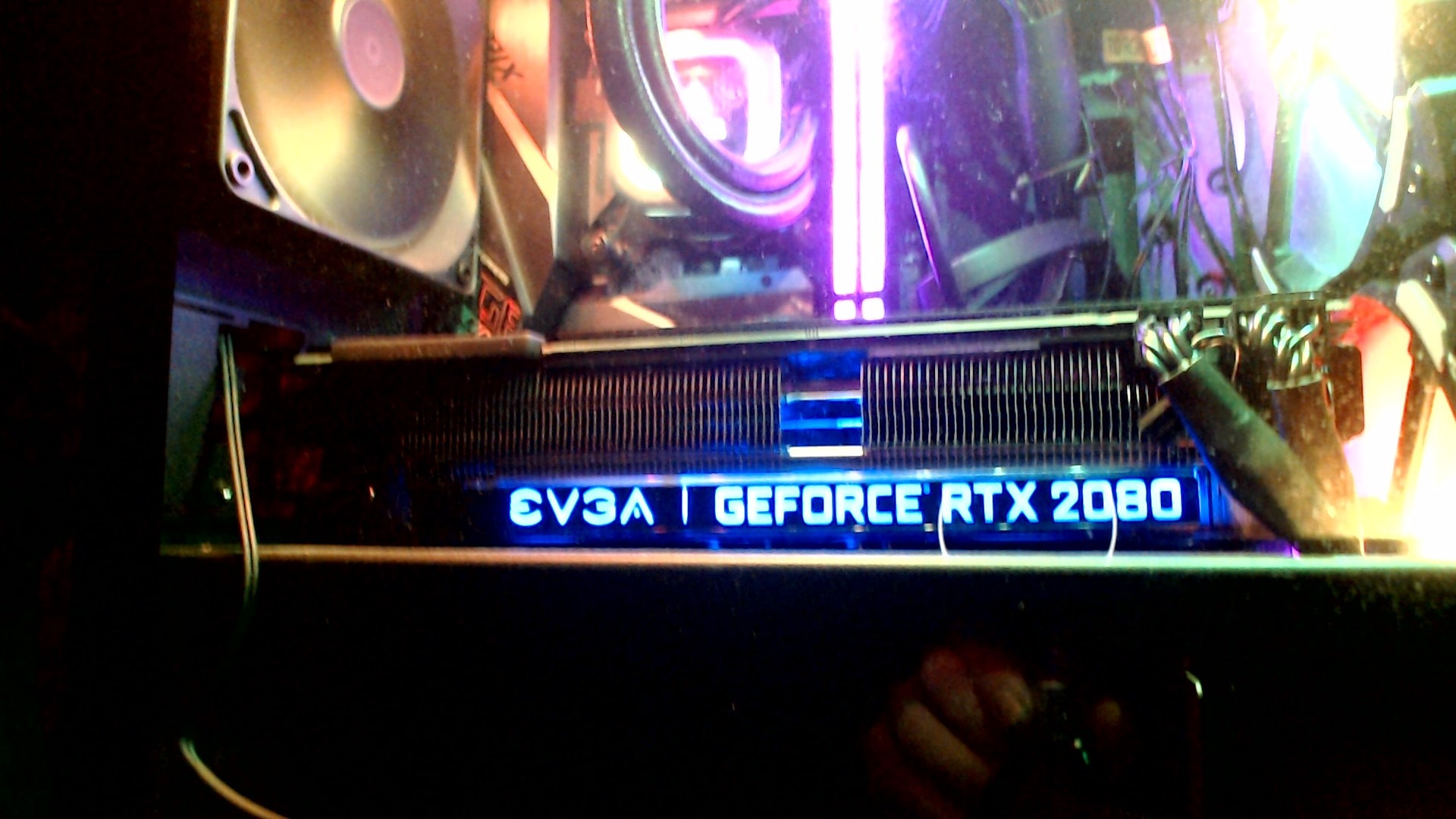
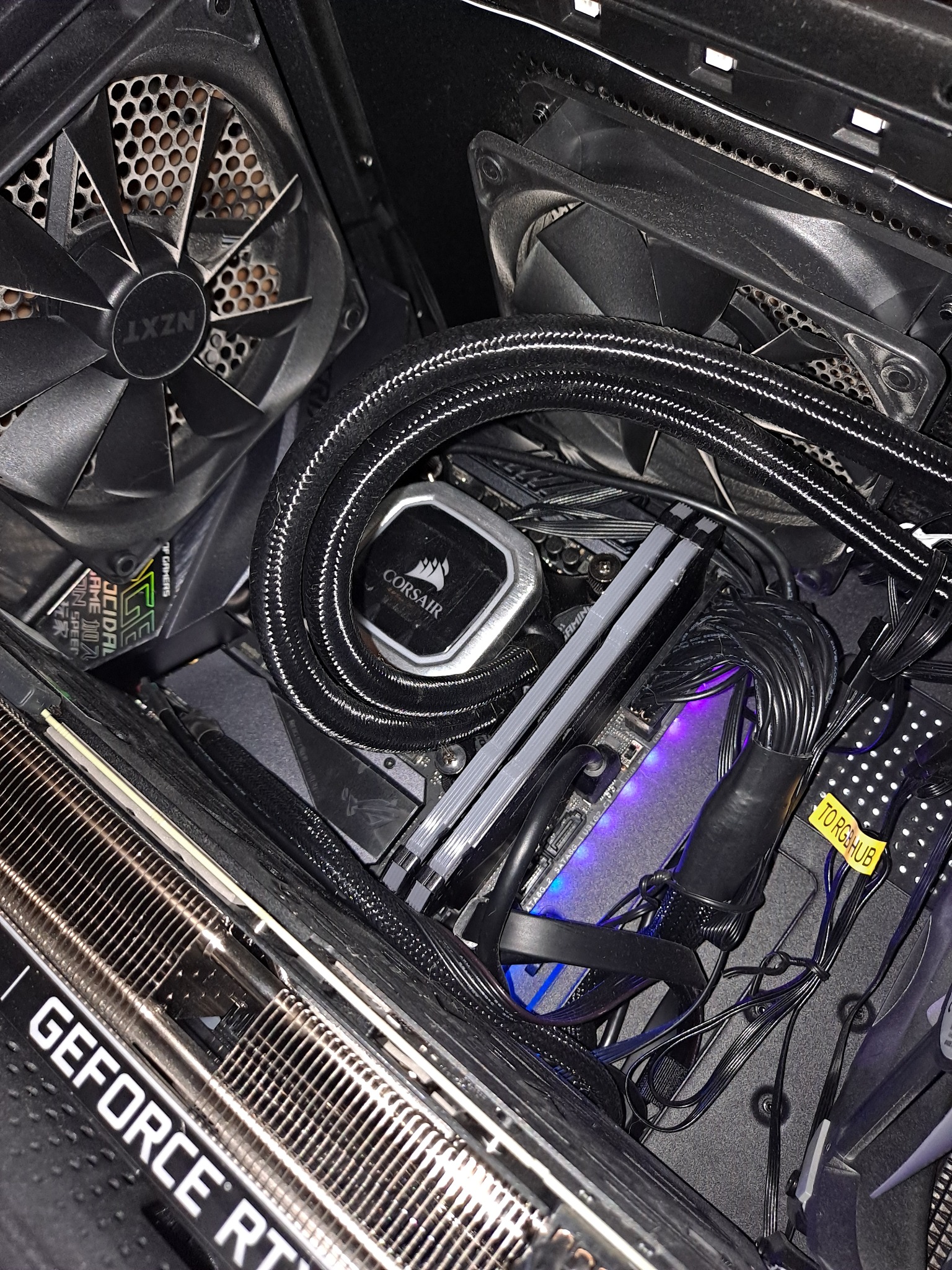
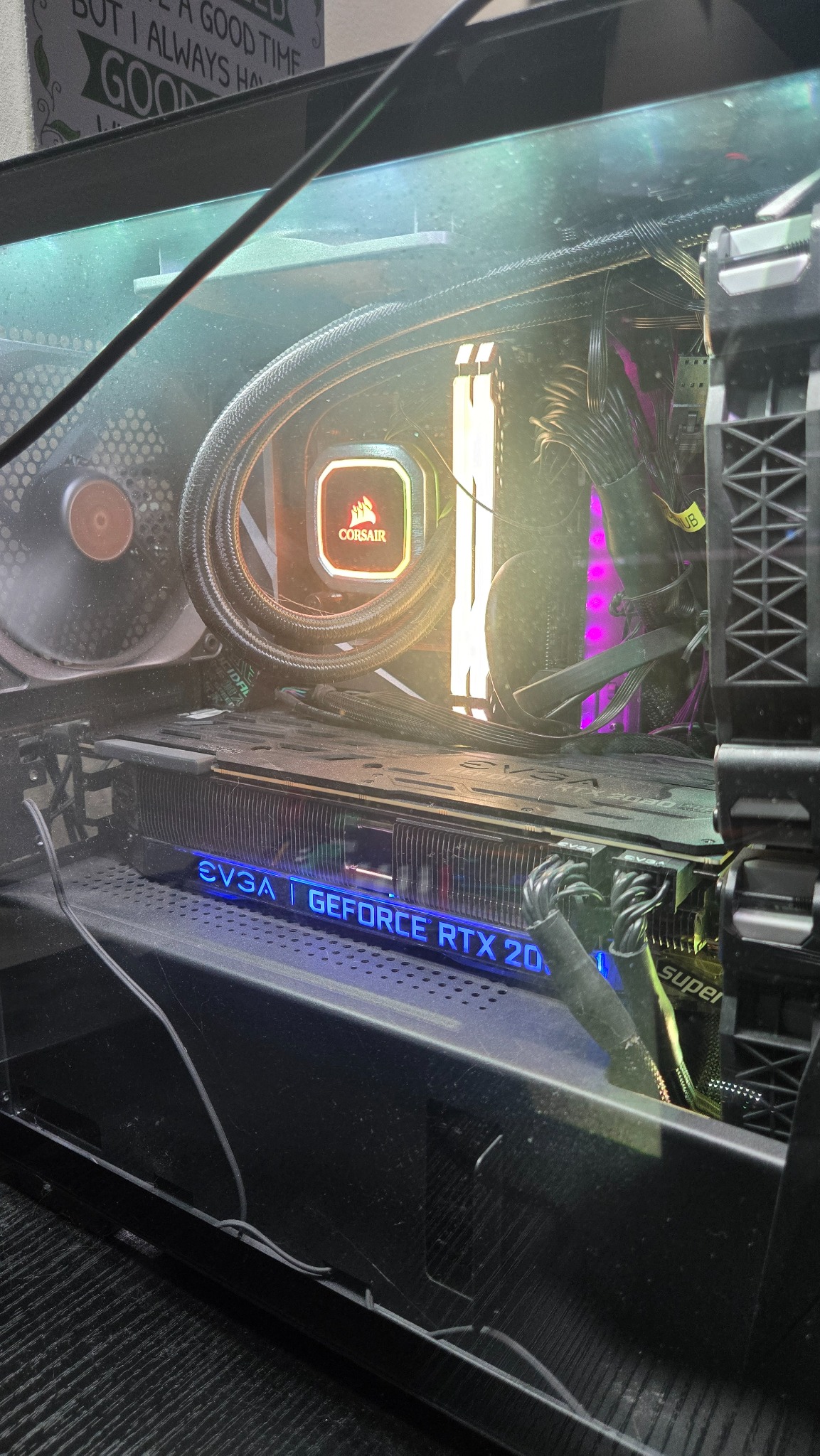
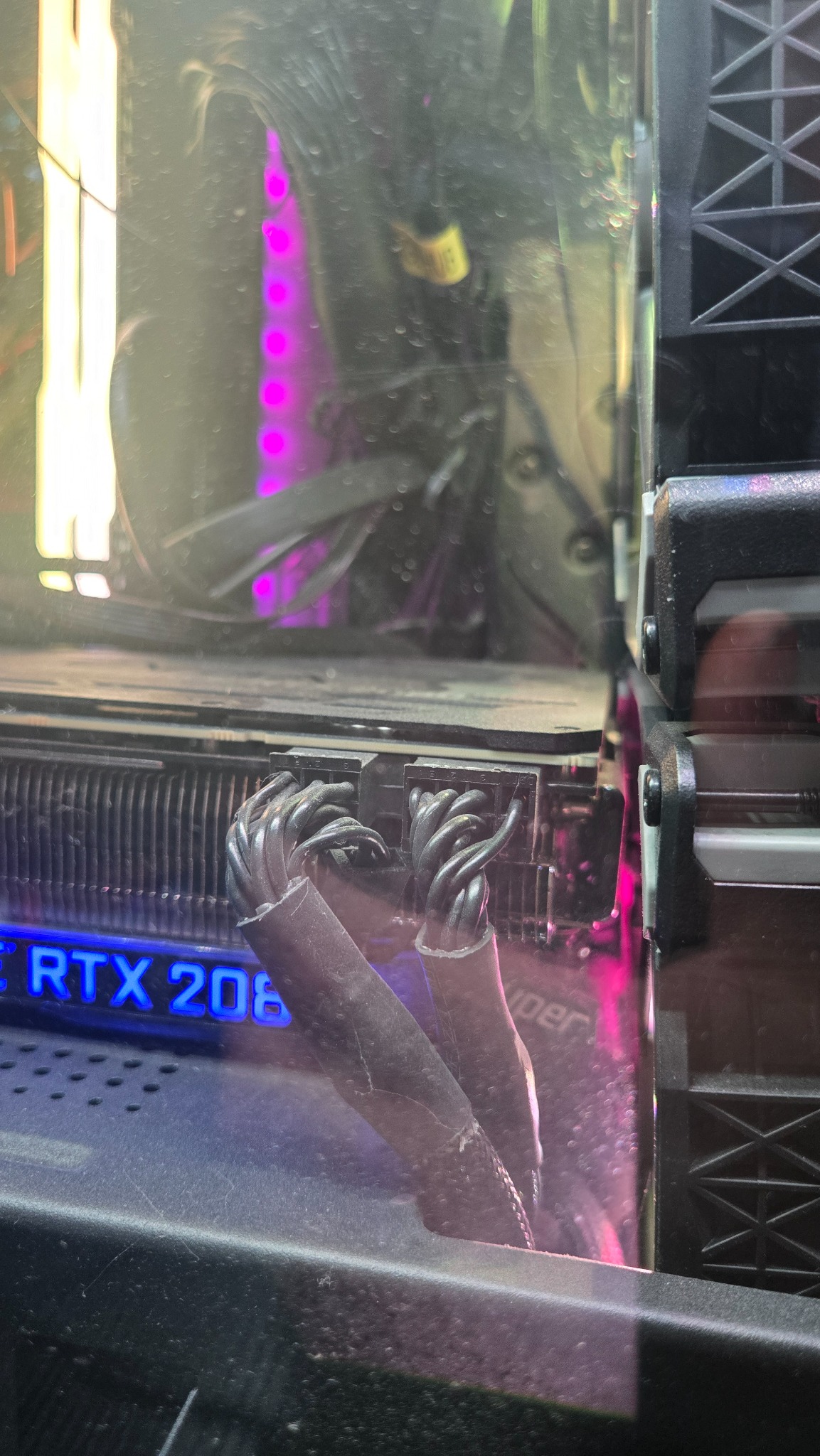
The graphics card became one of the most restrictive components. The EVGA RTX 2080 Super XC Ultra occupies much of the available space between the motherboard and power-supply shroud, leaving very little clearance beneath the card. At the front of the enclosure, the graphics card, cooling hardware, tubing, fans, and power connections further compete for limited space.
These constraints required the system to be considered as an integrated package rather than selecting each component independently. Performance, physical dimensions, cooling requirements, connector locations, and routing all influenced whether the final configuration would be practical within the enclosure.

Tight internal clearances around the graphics card, power-supply shroud, cooling hardware, and associated wiring illustrate the packaging constraints of the Mini-ITX enclosure.
Component selection focused on combining high-end performance with hardware that could realistically operate within the physical and thermal limitations of the Mini-ITX platform. Rather than minimizing component size across the entire system, the build incorporated full-performance desktop hardware where possible while using the compact motherboard and enclosure to reduce the overall system footprint.
The Intel Core i9-9900K was paired with the ASUS ROG Strix Z390-I Gaming motherboard, providing an unlocked 8-core, 16-thread processor platform in the Mini-ITX form factor. Graphics performance was provided by the EVGA GeForce RTX 2080 Super XC Ultra, retaining a high-performance discrete GPU despite its significant size relative to the enclosure.
The system was complemented by 32 GB of Corsair Vengeance RGB Pro DDR4 memory and a Samsung 970 EVO 1 TB NVMe SSD. Using NVMe storage provided high-speed primary storage without requiring additional internal drive cabling or occupying additional chassis space.
Power and cooling were selected around the demands of the hardware. A fully modular Corsair RM750 power supply allowed unused cables to be omitted from the already crowded enclosure, while the Corsair H115i RGB Platinum liquid cooler provided dedicated CPU cooling for the i9-9900K and its overclocked configuration.
Together, the components created a performance-focused system in which physical compatibility, power delivery, cooling, and packaging had to be considered alongside raw hardware capability.
Thermal management was a significant consideration because the system combines high-performance components with the restricted airflow and internal volume of a Mini-ITX enclosure. The close proximity of the processor, graphics card, power supply, radiator, fans, and associated wiring required the cooling configuration to work effectively within limited available space.
The Intel Core i9-9900K is cooled by a Corsair H115i RGB Platinum liquid cooler using ARCTIC MX-4 thermal compound. Radiator and fan placement had to coexist with the graphics card and other internal components while maintaining airflow through the chassis. Additional case fans provide airflow around the motherboard, graphics card, and surrounding components.
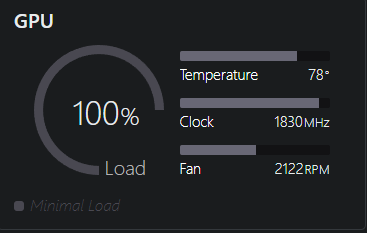
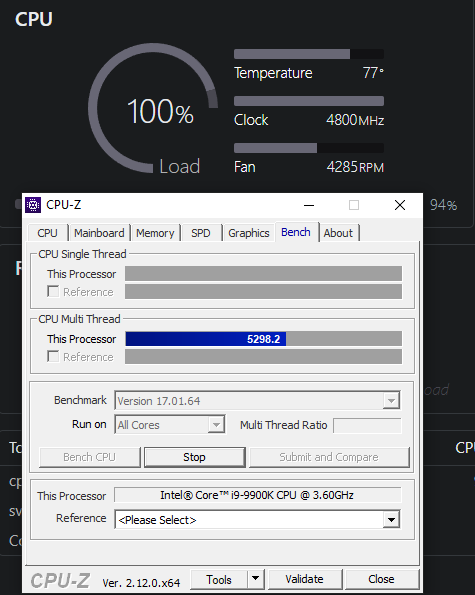
Current stress testing provides a snapshot of the original cooling system approximately six years after assembly. During a CPU-Z stress test, the i9-9900K operated at 100% load and 4.8 GHz while reaching approximately 77°C. A separate 3DMark Steel Nomad graphics workload placed the RTX 2080 Super at 100% GPU load, approximately 1,830 MHz, and 78°C.
The processor cooler, graphics card cooling system, and chassis cooling configuration remain unchanged from the original 2020 build. These results demonstrate the continued ability of the original thermal configuration to manage full CPU and GPU test loads within the compact enclosure.
CPU: 4.8 GHz @ 77°C | GPU: 1,830 MHz @ 78°C | 100% Test Loads | Original Cooling Hardware
After the initial build, the Intel Core i9-9900K was configured to operate at 4.8 GHz, increasing sustained processor frequency while remaining within the thermal capabilities of the compact cooling system. The objective was not to achieve the highest possible short-duration clock speed, but to establish a configuration suitable for reliable everyday use.
Processor voltage and operating stability were evaluated while configuring the overclock. Lower-voltage settings were tested but introduced some instability, so the final configuration was maintained at settings that provided consistent operation rather than continuing to reduce voltage solely for lower temperatures or power consumption.
The 4.8 GHz configuration has subsequently remained in use for approximately five years without observed stability problems during normal operation. The computer is frequently left powered on or placed into sleep rather than being fully shut down, giving the configuration substantial long-term operating history across gaming, VR, heavily modded games, schoolwork, and general computing.
Current CPU-Z stress testing continues to show the processor operating at 4.8 GHz under 100% CPU load, providing a current validation that the long-standing configuration remains operational on the original processor and cooling hardware.
4.8 GHz CPU Configuration | ~5 Years in Use | Stability-Focused Tuning | Original CPU & Cooling Hardware
The completed system achieved the original goal of combining high-performance desktop hardware with the reduced footprint of a Mini-ITX platform. Despite tight component clearances and the thermal challenges associated with a compact enclosure, the original configuration has remained in regular service since 2020 without hardware upgrades.
Approximately six years after assembly, the original processor, graphics card, motherboard, memory, storage, power supply, and cooling system remain in operation. The i9-9900K has also operated at 4.8 GHz for approximately five years without observed stability problems during normal use.
Current stress testing provides additional validation of the aging system. The processor reached 100% load at 4.8 GHz and approximately 77°C during CPU-Z testing, while the RTX 2080 Super reached 100% GPU load at approximately 1,830 MHz and 78°C during 3DMark Steel Nomad testing.
The project demonstrates how component selection, packaging, cooling, power delivery, and optimization can be treated as interconnected parts of a complete system rather than independent hardware decisions.
6 Years in Service | No Hardware Upgrades | ~5 Years at 4.8 GHz | CPU: 77°C @ 100% Load | GPU: 78°C @ 100% Load
Computer Hardware & Integration
PC Assembly • Component Selection • Mini-ITX Systems • Hardware Compatibility • System Integration • Component Installation
Thermal & Mechanical Considerations
Thermal Management • Airflow Planning • Component Clearance • Space-Constrained Packaging • Liquid Cooling • Cable Routing
Performance & Optimization
CPU Overclocking • System Configuration • Performance Tuning • Stress Testing • Thermal Monitoring • Stability Testing
Technical Problem Solving
Troubleshooting • Compatibility Analysis • Constraint Management • Performance Evaluation • Long-Term System Maintenance
This project documents the design, assembly, optimization, and long-term operation of a high-performance Mini-ITX desktop computer originally built in 2020. The system combines an Intel Core i9-9900K, EVGA RTX 2080 Super, 32 GB of DDR4 memory, NVMe storage, liquid CPU cooling, and a full-size modular power supply within the packaging constraints of an NZXT H210i enclosure.
Component selection required balancing performance with physical compatibility, cooling capacity, power delivery, airflow, and limited internal space. Following assembly, the processor was configured for 4.8 GHz operation with an emphasis on everyday stability rather than maximum short-duration benchmark performance.
Approximately six years after assembly, the original hardware configuration remains in regular service without upgrades. Current CPU and GPU stress testing provides additional validation of the system's thermal performance and continued operation, demonstrating the long-term results of the original component selection and system-integration decisions.
View/Download PDF